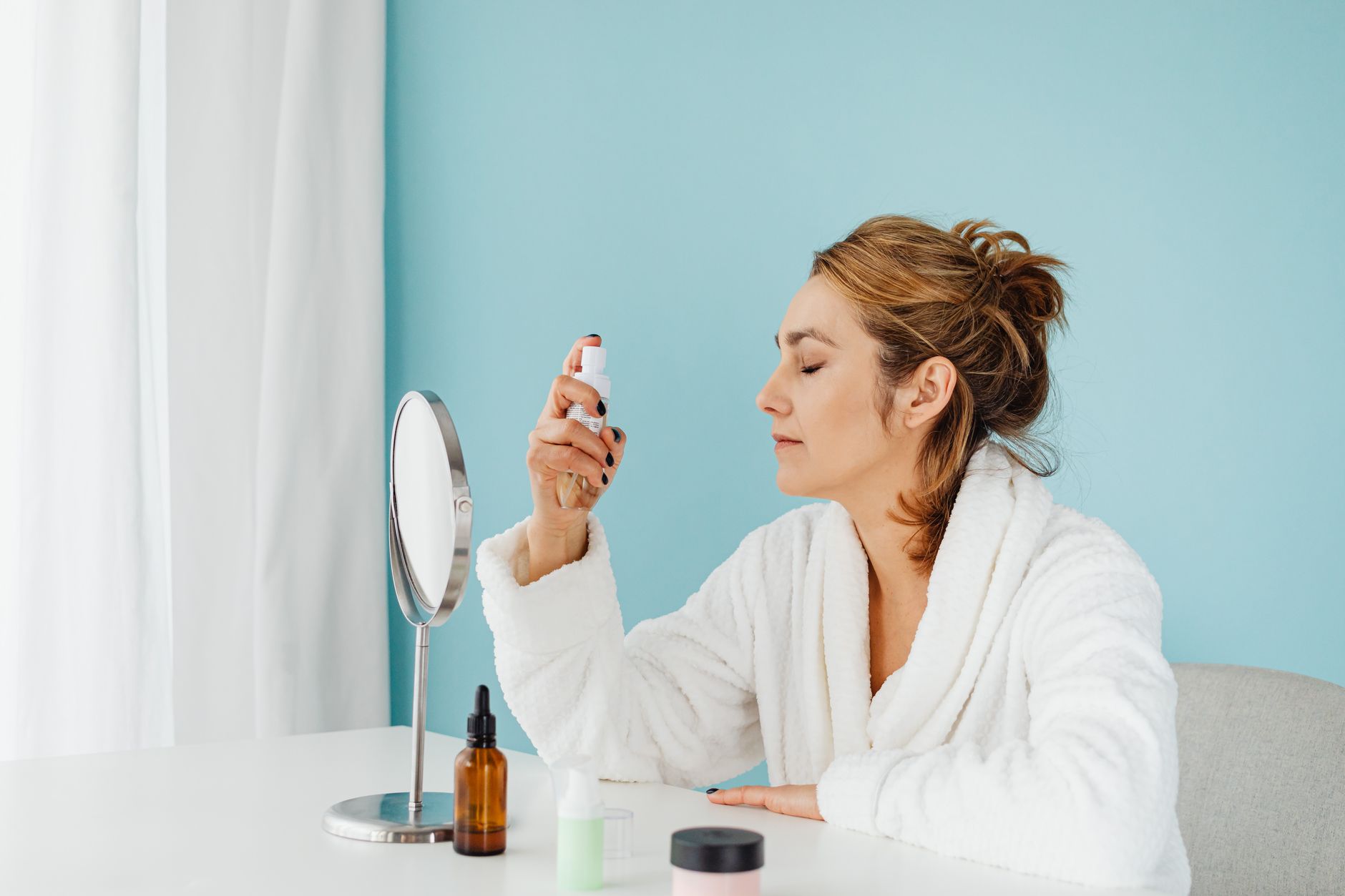
How to Transition to Clean Beauty Without Sacrificing Results
By Superegg10 min read
The best way to transition to a clean beauty routine is to swap products gradually, starting with high-contact items like moisturizer and SPF, then replacing cleansers and treatments. Audit ingredients first, prioritize brands with transparent labeling and clinically supported formulas, and allow four to six weeks for your skin to adjust before evaluating results.
What Does 'Clean Beauty' Actually Mean?
Clean beauty is one of the most searched terms in skincare today, yet it has no universal regulatory definition in the United States. The FDA does not define 'clean' as a product category, which means any brand can use the label without meeting a verified standard. Most brands define clean as formulated without parabens, sulfates, phthalates, synthetic fragrances, and formaldehyde-releasing preservatives. That framing is useful, but incomplete. Consumer demand is clearly real: 40.2% of shoppers identify natural ingredients as their top consideration when buying beauty and personal care products (stellarmr.com). The gap between demand and clear definition is exactly where greenwashing thrives. Ingredient literacy is the consumer's best defense. Reading a full INCI list matters more than any front-of-pack claim.
Clean vs. Natural vs. Vegan: What Is the Difference?
These three terms are frequently used interchangeably, but they describe distinct attributes. Natural refers to ingredient origin: plant, mineral, or animal-derived. Clean refers to safety profile: formulated without ingredients that are restricted, irritating, or flagged by toxicology research. Vegan refers to sourcing ethics: no animal-derived ingredients, regardless of whether they are 'natural' or not. A product can be natural but not clean, high-concentration essential oils, for example, are natural but can trigger contact dermatitis in sensitive skin. Vegan formulations take this further by replacing animal-derived actives like lanolin, collagen, and egg proteins with plant-based or bioengineered equivalents. Superegg's Duplex® technology is a precise example of this approach: it replicates the amino acid and phospholipid profile of egg through plant-based science, delivering equivalent nourishment without any animal ingredient.
How Do You Audit Your Current Skincare Routine?
Auditing your routine is the first concrete step, and it is one that most clean beauty guides skip entirely. Line up every product you use daily and read the full ingredient list, not the front-of-pack marketing copy. Ingredient transparency is growing: a 2025 survey found that 70% of consumers read product labels before purchasing, up from 56% in 2020 (theincilab.com). Cross-reference each list against the EWG's Skin Deep database, the EU's restricted substances list, or Sephora's Clean at Sephora criteria. These are the most widely used public reference frameworks for flagging high-concern ingredients. Document your current skin condition, hydration level, texture, active breakouts, sensitivity, before you change anything. That baseline data is what lets you measure results objectively, rather than relying on impression.
Which Ingredients Should You Look Out For First?
Start with the ingredients most frequently flagged by dermatologists and toxicology databases. Parabens (methylparaben, propylparaben) are the most common preservative class in conventional skincare and the most studied for potential endocrine activity. Synthetic fragrances, listed as 'parfum' or 'fragrance,' are single-ingredient catch-alls that can contain dozens of undisclosed compounds. Formaldehyde-releasing preservatives such as DMDM hydantoin and quaternium-15 are worth flagging specifically because they release low-level formaldehyde over time. PEGs and petroleum-derived ingredients like petrolatum and mineral oil are frequently restricted by EU standards that are stricter than US requirements. If vegan sourcing is a priority, also look for lanolin (wool-derived), carmine (insect-derived red pigment), collagen, keratin, and any egg-derived proteins. Free apps like INCI Decoder can scan a product's full ingredient list in seconds. Use them.
What Is the Best Phase-by-Phase Transition Strategy?
A structured, phased approach protects your skin barrier and gives you clean diagnostic data about what is working. Switching everything at once makes it nearly impossible to identify the cause of a reaction or a result. The phased model also respects the adjustment window that skin actually needs. A 2025 survey found that 70% of consumers read product labels before purchasing (theincilab.com), which suggests awareness is high, but awareness without a clear execution strategy often leads to frustrated, abandoned transitions. Start with a written plan.
Phase 1 (Weeks 1-2): Replace Leave-On Products First
Moisturizers, serums, and SPF are the highest priority because they have the longest contact time with your skin. Leave-on products absorb continuously throughout the day or night; rinse-off products like cleansers are on your skin for under 60 seconds. The absorption differential is significant from a cumulative exposure standpoint. Replace your daily moisturizer and broad-spectrum SPF in week one. Keep all other products unchanged. This controlled approach means any skin response in this phase is directly attributable to those two new products.
Phase 2 (Weeks 3-4): Cleanser and Toner
Swap your cleanser and toner in the second phase. Disrupting your cleansing step too early can destabilize a skin barrier that is still adapting to new leave-on ingredients. A gentle, sulfate-free cleanser preserves the acid mantle and reduces the likelihood of rebound oiliness or sensitivity. Toners follow the same logic: pH-balancing formulas support barrier repair rather than stripping it.
Phase 3 (Weeks 5-8): Active Treatments
Introduce clean actives last. Vitamin C serums, bakuchiol (a well-studied retinol alternative), and targeted treatments carry the highest risk of reaction and deserve the most controlled introduction. Give each new product at least three to four weeks before evaluating its effect. Budget mentally for mild dryness or minor breakouts in the first two weeks of any active introduction. This is a normal recalibration response, not a sign that the product is failing.
How Can You Maintain Results During the Transition?
The 4-to-6-week adjustment window is not a waiting game. It is an active period of barrier management. Keep one or two proven conventional products in rotation while introducing clean alternatives, this preserves your baseline skin health and gives you a reference point. Barrier-supporting ingredients are your anchor during this phase: ceramides, plant-derived squalane, and panthenol all help the skin maintain its protective function while adapting to new formulas. A well-hydrated skin barrier tolerates new ingredients more easily because transepidermal water loss is controlled. Superegg's Duplex® technology is specifically formulated to support this period: the plant-based delivery system provides amino acids, peptides, and lipids that reinforce skin resilience without introducing the disruption of high-concentration actives. Take weekly photos in consistent lighting to track texture and radiance changes objectively. Visual records are more reliable than daily impressions.
Botanical-Heavy Formulas and Patch-Test Risk
Here is something that most clean beauty guides omit entirely: plant-derived formulas can carry a higher patch-test risk than some synthetic actives, precisely because botanical extracts contain multiple bioactive compounds rather than a single isolated molecule. Essential oils, citrus extracts, and high-concentration botanical blends are among the most common triggers for contact dermatitis. The fact that an ingredient is plant-based does not automatically make it low-risk for every skin type. This is not a reason to avoid clean beauty. It is a reason to patch test every new product methodically before full-face application. Apply a small amount to the inner forearm or behind the ear, leave it on for 24 hours, and wait another 24 hours before checking for redness, itching, or swelling. If no reaction appears after 48 hours, the product is generally safe to introduce to your face. Start with a small application area and build up. Dermatologists surveyed in a clinical study reported that 88.1% regularly encounter patients with skincare-related skin problems, with irritant eczema observed in 69.6% of cases (dovepress.com). Patch testing is not optional.
How Do You Build a Simplified Clean Routine That Performs?
A high-performance clean skincare routine does not require ten products. Four well-chosen products can deliver full results: a gentle cleanser, a hydrating serum, a moisturizer with actives, and a broad-spectrum SPF. Multitasking formulas reduce ingredient conflict risk and the cumulative irritation that comes from layering too many products. Dermatologists have flagged this directly: 91.6% expressed concern about the rising popularity of multi-step routines, with 64.9% citing increased skin irritation risk as a primary concern (dovepress.com). Simplification is not a compromise. It is the clinically supported approach.
Can Plant-Based Ingredients Really Match Conventional Skincare Performance?
The performance gap between plant-based and conventional skincare has narrowed substantially due to advances in delivery technology and formulation science. The global sustainable beauty and skincare market was valued at USD 190.7 billion in 2024 (insightaceanalytic.com), and the growth is driven primarily by products that are competing on results, not just values. Plant-derived squalane outperforms shark-derived squalane in oxidative stability and is better tolerated across skin types. Bakuchiol has been demonstrated in a peer-reviewed study published in the British Journal of Dermatology to reduce wrinkles and hyperpigmentation comparably to retinol, with significantly less irritation. Industry data shows that 80% of new skincare launches in 2025 featured at least one plant-based emollient (theincilab.com). The market is not waiting for plant-based ingredients to catch up. They already have.
What Is Duplex® Technology and How Does It Work?
Superegg's Duplex® technology addresses the most persistent skepticism in vegan skincare: that plant-based formulas cannot replicate the dense, bioavailable nutrient profile of animal-derived ingredients. Eggs have historically been valued in skincare for their complex matrix of phospholipids, amino acids, lecithin, and fatty acids. These are not easily replicated by a single plant extract. Duplex® engineers this same molecular profile from plant sources, assembling the same building blocks that feed and strengthen skin without any animal byproduct. The result is a vegan formula that delivers amino acids, peptides, and lipids in a form the skin recognizes and uses effectively. At Superegg, we designed Duplex® specifically to close the performance gap that skeptics cite most often when comparing plant-based skincare to conventional formulations. Independent editorial recognition from outlets including Vogue, Allure, and Byrdie provides third-party validation that extends beyond brand claims.
How Do You Spot Greenwashing and Choose Trustworthy Clean Brands?
Greenwashing is pervasive in the clean beauty category precisely because the term is unregulated. Vague claims like 'natural,' 'eco-friendly,' and 'pure' are marketing language with no legal definition in the US. Red flags include: ingredient lists that are abbreviated or buried in packaging, certifications that are self-issued rather than third-party verified, and efficacy claims unsupported by any referenced testing data. Third-party certifications that add genuine credibility include COSMOS Organic, ECOCERT, Leaping Bunny (cruelty-free), and Vegan Society certification. Retailer curation programs like Sephora's Clean at Sephora and Credo Beauty's Clean Standard screen products against defined ingredient criteria, providing an additional layer of vetting. Consumer awareness is rising: 67% of shoppers have made changes to reduce their environmental impact, including seeking environmentally friendly packaging (stellarmr.com). That scrutiny is appropriate pressure on brands to substantiate their claims.
What Questions Should You Ask Before Buying a Clean Beauty Product?
Verifying a brand's claims takes fewer than five minutes if you know what to look for. First, find the full INCI ingredient list on the brand's website, if it is not publicly available, that is a red flag. Second, check for third-party cruelty-free or vegan certification rather than self-declaration. Third, look for specific efficacy claims backed by clinical testing, dermatologist endorsement, or peer-reviewed research citations. Fourth, check whether the brand discloses its manufacturing and sourcing practices. Fifth, search for independent editorial coverage from credible outlets: Allure, the New York Times Wirecutter, or Byrdie. A brand with nothing to hide publishes everything. Science-backed claims are verifiable. Marketing language is not.
| Verification Criteria | Trustworthy Brand | Greenwashing Brand |
|---|---|---|
| Full INCI list publicly available | Yes, on website | Hidden or abbreviated |
| Third-party certification | Leaping Bunny, COSMOS, Vegan Society | Self-declared only |
| Efficacy claims | Clinical testing referenced | Vague or unattributed |
| Ingredient sourcing disclosure | Published | Not available |
| Independent editorial coverage | Multiple credible outlets | Press releases only |
| Preservative system disclosed | Named and explained | Unlisted |
Results speak louder. Choose brands that can show their work.
Frequently Asked Questions
How long does it take to transition to a clean beauty routine?
A full transition typically takes 6 to 8 weeks when done in phases. The first two weeks cover leave-on products like moisturizer and SPF, weeks three and four address cleansers and toners, and weeks five through eight introduce active treatments. Allow at least four weeks after each introduction before evaluating results.
Will my skin purge or break out when I switch to clean beauty products?
Mild dryness or minor breakouts in the first one to two weeks of introducing a new active are a normal skin recalibration response, not a product failure. True purging typically resolves within four to six weeks. Switching everything at once makes reactions harder to diagnose, which is why a phased approach is strongly recommended.
Is clean beauty actually better for sensitive skin?
Clean beauty formulas that avoid synthetic fragrances, sulfates, and high-concentration essential oils are often better tolerated by sensitive skin. However, botanical-heavy formulas can also trigger reactions in sensitive skin types. Patch testing every new product before full-face application is essential regardless of whether a formula is labeled clean or conventional.
Can vegan skincare products really replicate the benefits of egg-based or animal-derived ingredients?
Yes, when the formulation is engineered specifically to replicate the molecular profile of the animal-derived source. Superegg's Duplex® technology replicates the amino acid, phospholipid, and lipid profile of egg through plant-based science. Peer-reviewed research also shows that plant-derived actives like bakuchiol match retinol for wrinkle reduction with less irritation.
What is the difference between vegan, cruelty-free, and clean beauty?
Vegan means no animal-derived ingredients in the formula. Cruelty-free means the product and its ingredients were not tested on animals. Clean means formulated without high-concern ingredients like parabens, sulfates, and synthetic fragrances. A product can be any one of these without being the others, though many brands intentionally overlap all three.
Do I need to replace all my skincare products at once when going clean?
No. Replacing everything simultaneously makes it impossible to identify the cause of any skin reaction or improvement. A phased approach, starting with leave-on products in weeks one and two, followed by cleansers and then actives, gives your skin barrier time to adjust and gives you clean diagnostic data about what is working.
How do I know if a clean beauty brand is greenwashing?
Look for third-party certifications from recognized bodies like Leaping Bunny, COSMOS Organic, or Vegan Society. Check that the full INCI ingredient list is publicly posted on the brand's website. Verify that efficacy claims reference actual clinical testing. Brands that rely only on terms like 'natural' or 'pure' without disclosed standards are using unverifiable marketing language.
Are clean beauty products safe to use during pregnancy?
Many clean formulas, especially those free from retinoids, synthetic fragrances, and high-dose salicylic acid, are considered lower risk during pregnancy. However, individual products vary significantly and no general category guarantee applies. Always consult a dermatologist or OB-GYN before introducing any new skincare product during pregnancy, clean or conventional.
What ingredients should I avoid when switching to clean skincare?
Prioritize eliminating parabens such as methylparaben and propylparaben, synthetic fragrances listed as 'parfum,' and formaldehyde-releasing preservatives like DMDM hydantoin. Also flag PEGs, petroleum-derived ingredients like petrolatum, and oxybenzone in sunscreens. For vegan skincare specifically, watch for lanolin, carmine, collagen, keratin, and egg-derived proteins in INCI lists.
How do I patch test new clean beauty products safely?
Apply a small amount of the product to the inner forearm or behind the ear. Leave it on for 24 hours without washing. Wait an additional 24 hours and check for redness, itching, swelling, or irritation. If no reaction appears after 48 hours total, the product is generally safe to introduce to your face with a small application area first.
What's a simple beginner clean skincare routine?
A four-product routine covers all the essentials: a gentle sulfate-free cleanser, a hydrating serum with ceramides or plant-derived squalane, a moisturizer with active ingredients like niacinamide or bakuchiol, and a broad-spectrum SPF 30 or higher. Dermatology research consistently supports simplified routines over multi-step layering for long-term skin health.
How can I tell if a clean beauty product is truly non-toxic?
Cross-reference the full ingredient list against the EWG Skin Deep database or the EU's restricted substances list, which are the most accessible public safety frameworks. Look for third-party certifications and published clinical or dermatological testing data. Non-toxic is not a regulated term in the US, so independent verification using established safety databases is the most reliable method.
Sources & References
- Dermatologists' Perspectives on Skincare Routine Trends – Dove Medical Press (CCID)[org]
- Ultimate Guide to Cosmetics Ingredients in 2026 – The INCI Lab[industry]
- Sustainable Beauty and Skincare Market Exclusive Report 2025 to 2034 – InsightAce Analytic[industry]
- Clean Beauty Market Industry Analysis and Forecast – Stellar MR[industry]
About the Author
Superegg
Superegg pioneers plant-based skincare innovation with proprietary Duplex® technology that replicates egg's nutrient power, delivering performance-driven results for clean beauty enthusiasts without ethical compromise.
Learn more at www.superegg.nyc →