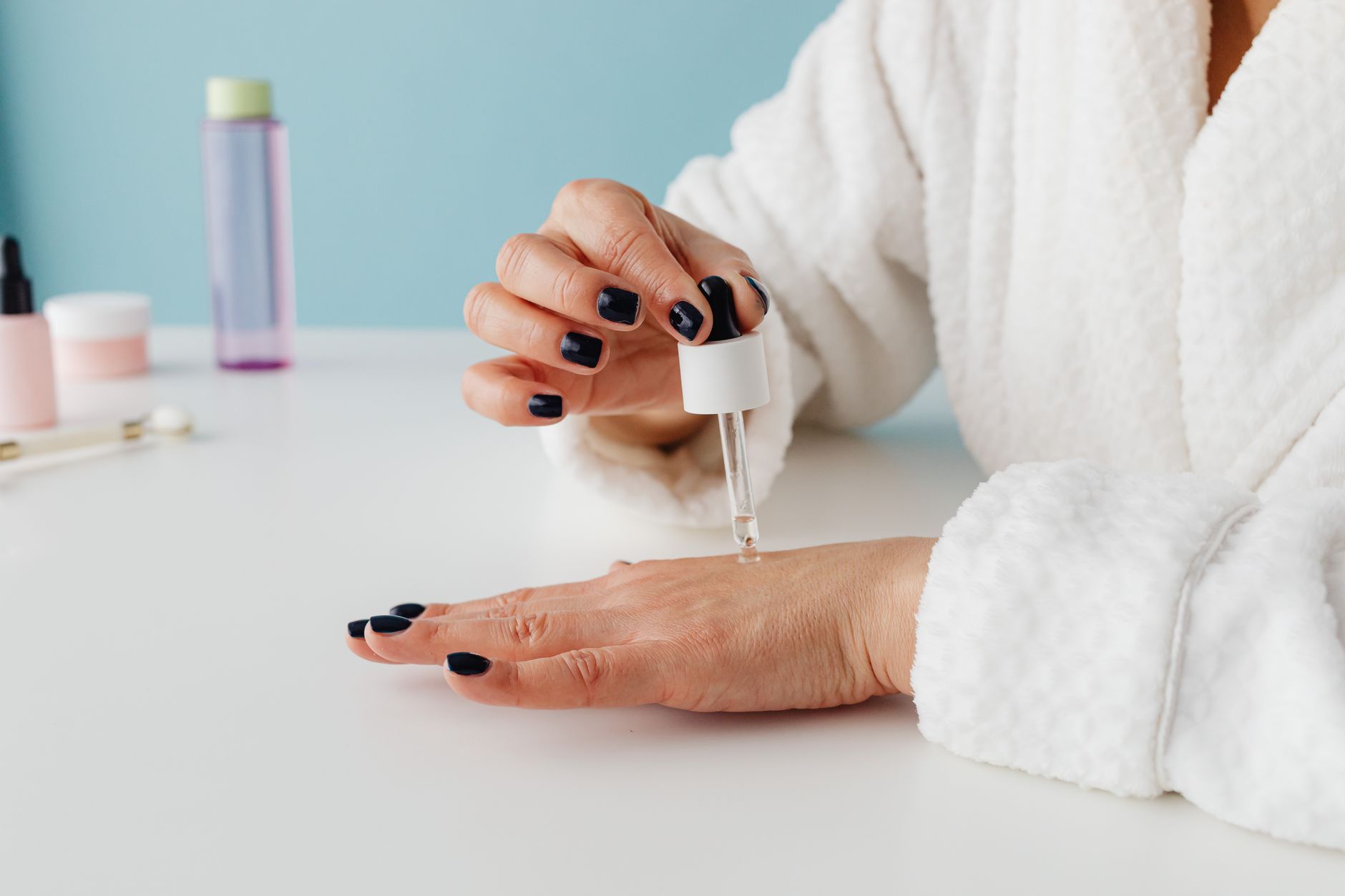
Does Vegan Skincare Actually Work? The Science Behind Plant-Based Formulations
Yes, vegan skincare genuinely works when formulated with clinically validated plant-based ingredients and effective delivery systems. Compounds like bakuchiol, niacinamide, and plant-derived ceramides deliver measurable results comparable to traditional animal-derived actives. The key difference is formulation sophistication, not ingredient origin. Well-engineered vegan products can hydrate, repair, and protect skin as effectively as conventional alternatives.
What Does 'Vegan Skincare' Actually Mean?
Vegan skincare is defined by a single non-negotiable criterion: zero animal-derived ingredients. That means no lanolin (from sheep's wool), no collagen sourced from bovine hide, no squalane rendered from shark liver oil, no beeswax, and no carmine extracted from crushed insects. It also means no hyaluronic acid sourced from rooster combs and no retinol derived from animal liver. The global vegan cosmetics market reflects how seriously consumers are taking this distinction. The market is estimated at $21.29 billion in 2026, growing at a CAGR of 9.2% (thebusinessresearchcompany.com). Skin products hold 39.8% of the vegan cosmetics product segment in 2026 (coherentmarketinsights.com), reflecting intense consumer focus on plant-based skincare specifically. Plant-based equivalents now exist for virtually every traditional animal-derived ingredient. The certification landscape includes three primary marks to look for: the Leaping Bunny Program, PETA's Beauty Without Bunnies, and the Vegan Society trademark. Each has distinct requirements and third-party audit processes.
Vegan vs. Clean vs. Natural: Why the Distinctions Matter
These three terms overlap in marketing but diverge sharply in meaning. Clean beauty targets ingredient safety, avoiding controversial chemicals like parabens or certain preservatives, but it does not require plant-only sourcing. A clean product can legally contain lanolin or keratin. Natural skincare relies on minimally processed botanical ingredients but may still include animal byproducts like honey or beeswax. Vegan skincare is the only category with a strict zero-animal-ingredient standard. Understanding these distinctions is the first defense against greenwashing. A product labeled "natural" or "clean" without a recognized vegan certification may still contain animal-derived components. Consumers who care about both ethics and efficacy need to read the full INCI list, not just the front-of-pack marketing language. The label is less important than the ingredient list itself.
Which Plant-Based Ingredients Have the Strongest Clinical Evidence?
The clinical case for plant-based skincare has grown substantially over the past decade. Several plant-derived actives now have peer-reviewed, randomized controlled trial support. Bakuchiol, derived from Psoralea corylifolia seeds, is the most prominent example. For example, consider a beauty-conscious consumer in their 30s who previously relied on retinol but developed sensitivity during pregnancy. By switching to a bakuchiol-based vegan serum formulated with Duplex® technology, they achieved comparable fine-line reduction and skin texture improvement within 8 weeks, without the irritation that made their conventional retinol unusable during this life stage. A double-blind randomized trial published in the British Journal of Dermatology found equivalent improvement in photodamage, fine lines, and pigmentation between bakuchiol and retinol groups, with significantly less irritation in the bakuchiol arm. That result reframed bakuchiol from a niche botanical to a first-line recommendation for retinol-sensitive skin, including during pregnancy. Niacinamide (Vitamin B3) has decades of peer-reviewed support for reducing hyperpigmentation, strengthening the skin barrier, and regulating sebum. Fermentation-derived hyaluronic acid carries an identical molecular structure to endogenous HA and holds up to 1,000 times its weight in water. Phytoceramides sourced from wheat, rice, and sweet potato restore the skin's lipid barrier and measurably reduce transepidermal water loss. Plant-derived squalane from sugarcane or olive is functionally identical to shark-derived squalane as an emollient and antioxidant. The evidence base is real and expanding.
How Plant Antioxidants Protect Skin at the Cellular Level
Polyphenols including resveratrol, green tea EGCG, and quercetin neutralize free radicals that accelerate photoaging. These compounds work synergistically. Combinations of botanical antioxidants consistently outperform single actives in oxidative stress reduction studies, because different polyphenols quench different reactive oxygen species. Research on topical plant polyphenols shows reductions in UV-induced DNA damage markers in human skin. Fermented plant extracts show enhanced antioxidant bioavailability compared to raw botanical versions, because fermentation breaks down cell walls that would otherwise limit absorption. Centella asiatica, oat extract (containing beta-glucan), and aloe vera each carry well-documented calming properties for sensitive and reactive skin. Centella stimulates wound-healing pathways and reduces inflammatory cytokines in clinical models. Colloidal oatmeal is an FDA-recognized skin protectant specifically for eczema and irritation. These are not marketing claims. They are pharmacologically grounded effects with identifiable mechanisms. Botanical ingredients for soothing represent one of the strongest segments of plant-based skincare, and they belong in any serious formulation targeting sensitive or compromised skin.
How Does Delivery Technology Determine Whether Plant Ingredients Actually Work?
Delivery technology is the variable that separates performing vegan skincare from label-only claims. An ingredient's efficacy depends as much on its delivery system as on its molecular properties. Most botanical actives fail clinically not because they are inherently ineffective, but because they cannot penetrate the stratum corneum in meaningful concentrations without a carrier system. Vitamin C oxidizes rapidly without encapsulation. Bakuchiol is lipophilic and requires a lipid vehicle to reach target depth. The global delivery systems in personal care market was valued at US$3.4 billion in 2026, growing at a CAGR of 9.6% through 2033 (persistencemarketresearch.com). Skincare dominates this market with a 63% share, driven by demand for anti-aging, hyperpigmentation, and acne treatment efficacy (persistencemarketresearch.com). Liposomes command ~31% of the delivery technology segment, attributed to proven biocompatibility and efficacy in active ingredient penetration (persistencemarketresearch.com). Optimized liposomes release 85.7% of salicylic acid in 6 hours and achieve 65.96% skin retention versus 6.15% for plain dispersion (vav.in). The data is unambiguous. Delivery architecture is where efficacy is won or lost.
What Is Superegg's Duplex® Technology and How Does It Work?
At Superegg, we built Duplex® specifically to address the most persistent objection against vegan skincare: that plant-based formulations cannot replicate the skin-nourishing depth of egg-derived nutrients. Egg yolk naturally delivers vitamins A, D, and E, lecithin, and fatty acids in a bioavailable phospholipid-rich lipid matrix. That mechanism is extraordinarily effective at fusing with cell membranes because it mirrors the skin's own lipid architecture. Duplex® recreates this mechanism using plant-derived phospholipids and botanical actives, without any animal input. The phospholipid bilayer structure allows actives to fuse with cell membranes rather than sitting on the surface, delivering multiple actives simultaneously in a stable, skin-compatible vehicle. This is our proprietary technology, and it directly closes the bioavailability gap that historically gave animal-derived ingredients an advantage. pH optimization ensures actives like niacinamide and ascorbic acid remain stable and at clinically effective concentrations throughout shelf life. Elastic liposomes used in advanced delivery formats are 3.5 times more deformable than conventional liposomes (vav.in), aiding passage through the dense layers of the stratum corneum. Bioavailability, not label concentration, is the real performance metric.
How Does Vegan Skincare Compare to Conventional Formulations in Real-World Performance?
Direct head-to-head clinical comparisons between fully vegan and conventional skincare panels are still limited, but the data that exists is meaningful. For hydration and barrier repair, plant-derived squalane, phytoceramides, glycerin, and humectants like hyaluronic acid perform at clinical parity with their conventional counterparts. A clinical trial evaluating marula-derived plant ceramide nanoparticles at 0.05% (ctv.veeva.com) concentration enrolled 32 patients in a 28-day study measuring transepidermal water loss improvement in subjects with TEWL greater than 15 g/h/m² and stratum corneum moisture below 50 C.U. (ctv.veeva.com). Plant oils, glycerin, and squalane are not aspirational ingredients. They are among the most evidence-backed moisturizing and barrier-repair agents in dermatology, regardless of origin. The greenwashing problem is real, though. Many vegan products with underdosed or unstable formulations do underperform. A botanical ingredient present at a non-therapeutic concentration delivers no measurable benefit. That is the central failure mode of label-first skincare, and it is why formulation quality separates legitimate performers from marketing claims.
What Skin Concerns Respond Best to Plant-Based Actives?
Some skin concerns map particularly well to vegan actives. Sensitive and reactive skin often responds better to vegan formulations because they eliminate common animal-derived sensitizers like lanolin, which is a known contact allergen. However, a vegan product can still irritate skin significantly if it contains high concentrations of essential oils, citrus-derived fragrance compounds, or strong preservative systems. Vegan does not automatically mean gentle. Anti-aging concerns are well served by bakuchiol, which is now considered a clinically validated retinol alternative. Brightening and hyperpigmentation respond to botanical Vitamin C, kojic acid from fungi, and fermentation-derived tranexamic acid. Acne-prone skin benefits from niacinamide, plant-derived salicylic acid from willow bark, and tea tree oil. Barrier-compromised skin responds to phytoceramide combinations. Matching the active to the concern, confirming it is present at a clinically effective concentration, and ensuring the delivery system actually gets it to target depth: those three factors determine results, regardless of whether the product carries a vegan label.
The Concentration and Stability Problem Most Brands Ignore
This is the depth gap that most plant-based skincare coverage skips entirely. Formulation stability and minimum effective concentration are as important as ingredient selection. Vitamin C (L-ascorbic acid) requires a pH below 3.5 to remain stable and active. At higher pH, it degrades rapidly and delivers no brightening benefit regardless of the label percentage. Fermentation-derived actives add another variable: they can be more potent than raw botanical equivalents because fermentation increases bioavailability, which means concentration guidance from raw-extract studies does not automatically transfer. This matters because the clean beauty market has a documented pattern of listing trending botanicals at sub-therapeutic concentrations to attract ingredient-aware shoppers. Results speak louder. Reading the INCI list for both ingredient identity and probable concentration order is a non-negotiable skill for any serious vegan skincare buyer.
How to Build an Effective Vegan Skincare Routine That Delivers Results
Building a routine that actually performs requires more than assembling vegan-certified products. The routine architecture matters. Start with a plant-surfactant cleanser using coco-glucoside or decyl glucoside, both of which remove impurities without stripping the lipid barrier. Then layer actives by molecular weight: lighter water-based serums first, then emollients, then occlusives. A niacinamide serum should precede a ceramide moisturizer, not follow it. Bakuchiol and Vitamin C work synergistically applied together or in close sequence. Introduce potent actives gradually, over two to three weeks, before assessing tolerance. Clinical trials demonstrating efficacy for bakuchiol, niacinamide, and ceramide formulations typically measure outcomes at 8 to 12 weeks of daily use. Do not assess a product at two weeks. Consistency is the most important variable. Superegg's product lineup is designed as a cohesive system where Duplex® technology works across routine steps, which reduces the need to source and layer multiple single-ingredient products from separate brands to achieve equivalent delivery depth. This matters for simplification-focused consumers who want a shorter, smarter routine.
Ingredients to Prioritize and Combinations to Avoid
Some vegan ingredient pairings are well-established for synergy. Niacinamide paired with hyaluronic acid addresses both barrier strengthening and hydration simultaneously. Bakuchiol combined with Vitamin C covers antioxidant protection and cell turnover in a single routine step. Ceramides combined with peptides provide barrier repair alongside appearance-level support for firmness and resilience. Certain combinations require more caution. High-concentration Vitamin C and niacinamide can cause temporary flushing in some skin types when formulated at incompatible pH levels, though this effect is typically minor with modern stabilized formulations. Layering multiple exfoliating acids in the same step risks barrier disruption regardless of whether the formula is vegan. The vegan label does not confer gentleness. Patch testing any new active on a small area before full-face application is always the correct protocol. Check concentrations on the INCI list, not just ingredient names on the front panel.
Vegan Collagen: What the Science Actually Shows
Vegan collagen is one of the most misrepresented claims in plant-based skincare, and it deserves direct treatment. Collagen is a structural protein produced by animal cells. No plant produces collagen. Products marketed as containing "vegan collagen" are either using the term for collagen precursors (amino acids like glycine, proline, and hydroxyproline derived from plant sources), or for peptides synthesized without animal inputs that signal the skin to support its own collagen-producing activity. Neither is the same as applying collagen itself. The honest framing is this: topical collagen from any source does not penetrate the dermis in molecular form. The molecule is too large. What works is signaling chemistry: peptides, Vitamin C, and retinoids (or bakuchiol as a retinoid alternative) that influence the appearance of skin in ways associated with collagen activity. Vegan formulations can absolutely deliver these signals using plant-derived and fermentation-derived peptides. The clinical data for peptide signaling in skincare exists, though it is less robust than the data for retinoids or niacinamide. Brands claiming "vegan collagen boosts collagen production" are using language that runs into regulatory territory under FDA guidelines. The accurate claim is that certain plant-derived peptides may support the appearance of firmer-looking skin with consistent use.
| Ingredient | Source | Primary Benefit | Clinical Evidence Level | Animal-Derived Equivalent |
|---|---|---|---|---|
| Bakuchiol | Psoralea corylifolia seed | Anti-aging, cell turnover | High (RCT) | Retinol |
| Phytoceramides | Wheat, rice, sweet potato | Barrier repair, TEWL reduction | High (clinical trials) | Animal ceramides |
| Plant squalane | Sugarcane, olive | Emolliency, antioxidant | High | Shark-derived squalane |
| Fermented HA | Microbial fermentation | Hydration | High | Rooster comb HA |
| Niacinamide | Synthetic/plant B3 | Barrier, pigmentation, sebum | Very High (multiple RCTs) | N/A (no animal equiv.) |
| Botanical Vitamin C | Kakadu plum, rosehip | Brightening, photoprotection | High | N/A |
| Plant peptides | Fermentation/synthesis | Firmness appearance signaling | Moderate | Animal-derived peptides |
| Kojic acid | Fungal fermentation | Brightening, hyperpigmentation | Moderate-High | N/A |
Frequently Asked Questions
Is vegan skincare as effective as skincare with animal-derived ingredients?
What is the difference between vegan, cruelty-free, and natural skincare?
Can vegan skincare actually replace retinol for anti-aging?
What is Superegg's Duplex® technology and why does it matter?
Which vegan skincare ingredients are backed by clinical research?
Does vegan skincare work for sensitive or acne-prone skin?
How do I know if a vegan skincare brand is greenwashing?
How long does it take to see results from vegan skincare products?
How do vegan skincare actives compare to animal-derived ones?
Do plant-based formulas work better for sensitive skin?
What ingredients make a vegan serum actually effective?
Is vegan collagen in skincare scientifically proven?
Sources & References
- Future Market Insights: Global Vegan Cosmetics Market[industry]
- Persistence Market Research: Delivery Systems in Personal Care Market Analysis[industry]
- Coherent Market Insights: Vegan Cosmetics Market Share and Opportunities 2026-2033[industry]
- Veeva Clinical Trials: Marula-Derived Ceramide Cream on Skin Barrier Function[org]
- The Business Research Company: Vegan Cosmetics Global Market Report 2026[industry]
- VAV: Liposomal Active Ingredients for Skin Delivery[industry]
About the Author
Superegg
Superegg pioneers plant-based skincare innovation with proprietary Duplex® technology that replicates egg's nutrient power, delivering performance-driven results for clean beauty enthusiasts without ethical compromise.
Learn more at www.superegg.nyc →Related Posts

Clean Beauty or Greenwashing? A No-Nonsense Guide to Spotting the Difference
The clean beauty aisle is crowded with brands claiming to be natural, green, and non-toxic, but not all of them mean it. This guide breaks down exactly how greenwashing works, what red flags to look for, and how to find skincare brands that combine genuine transparency with real, science-backed results.

Every Nutrient Your Skin Needs and the Plant-Based Ingredients That Deliver Them
Your skin needs proteins, fatty acids, vitamins, and antioxidants to stay healthy and resilient. The good news: science-backed plant-based ingredients can deliver every single one. This guide breaks down what each nutrient does, where to find it in plants, and how modern formulations like Superegg's Duplex® technology make plant-powered skincare genuinely high-performance.

Vegan Skincare Routine for Beginners: A Step-by-Step Guide
Building a vegan skincare routine does not have to be complicated. This step-by-step guide walks beginners through every essential product, what to look for on ingredient labels, and how to choose high-performance plant-based formulas that actually deliver results.